Why Ballet Is the Perfect Foundational Training for All Dance Styles
For dancers of all stripes, ballet imparts to them strength, flexibility, discipline, and musicality. The ballet school educate aspirational dancers’ alignment, turnout, and posture. Classical techniques enable hip hop, modern, jazz, ballroom dancers, and others acquire accuracy and control. All dance disciplines originate from ballet, which offers a strong technical basis and promotes artistic expression.
Positioning and Posture
Proper alignment is a key ballet skill. Ballet training improves posture by focusing on a straight spine, engaged core, and balanced hips. Aligned dancers perform salsa turns and modern floor sequences more easily and safely. Focusing on posture helps performers of any style command attention onstage with grace and confidence. Dancers move more efficiently and gracefully when they understand how their bones support them.
Build and Control
Ballet requires endurance and leg, foot, and core strength. Through barre movements including pliés, tendus, and relevés, students learn jumps, twists, and extensions throughout dance disciplines. This strength comes through in street dance and present choreographed acrobatics. Ballet also teaches hand and foot muscle control, so enabling dancers to move precisely. Well-conditioned ballet-trained bodies fit more readily the physical demands of other dance forms.
Flexibility and Extension
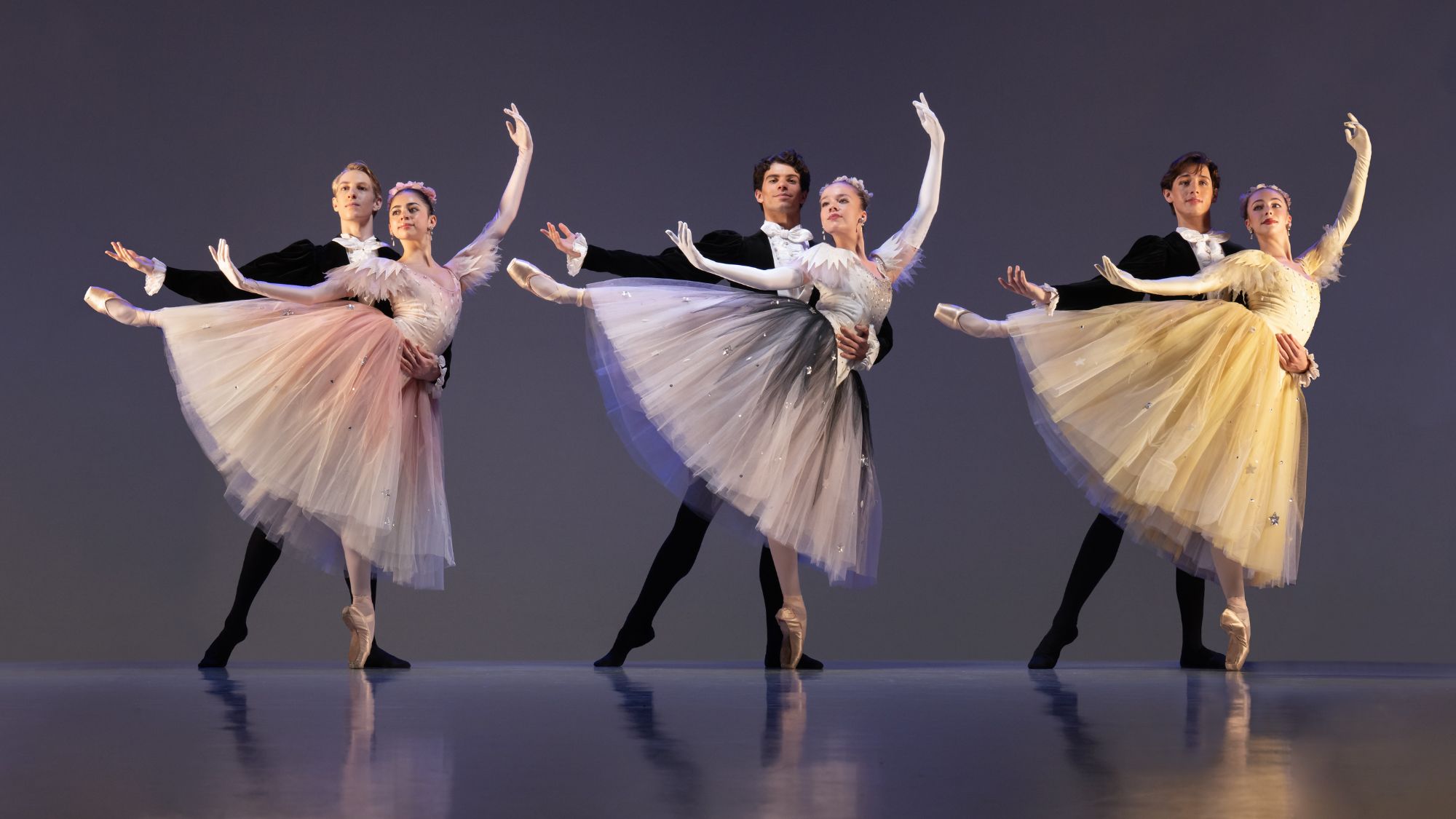
Ballet training also improves flexibility for all dancers. Daily stretching and extension exercises increase hip, spine, and shoulder mobility. This flexibility helps dancers generate lines and shapes, whether holding a long arabesque or arching in lyrical dance. The methodical approach to gaining flexibility prevents overstretching and strain. No matter their style, dancers keep their joints healthy and practice longer by adopting safe muscle lengthening techniques.
Music and Art
Ballet encourages musicality, which drives dancers to concentrate on phrasing, rhythm, and dynamics. Dancing to live piano music helps one improve timing a skill needed in tap and jazz, where syncopation is vital. Ballet students learn to convey character and feeling by means of movement outside time. Whether dancing a dramatic solo or an urban routine, this artistic sensibility guides dancers in connecting with audiences through subtle emotion, regardless of their technique.
Discipline and Work Ethics
Ballet’s rigorous training builds discipline, tenacity, and resilience. Dancers learn consistency and dedication from early morning training, tight clothing codes, and meticulous attention to detail. These traits help when confronting difficult choreography in commercial dancing, ballroom contests, or film and TV auditions. Ballet dancers learn to overcome exhaustion and concentration under pressure, preparing them for professional careers across dance genres. Even after studio session, constant improvement and resilience guide you.
Ballet’s alignment, strength, flexibility, musicality, and discipline give any dancing form the greatest basis. The ballet school provide dancers the artistic knowledge and technical ability required to excel in various disciplines. Whether dancers seek modern agility or Latin rhythms, ballet’s classical ideas provide adaptability, longevity, and emotional depth.